

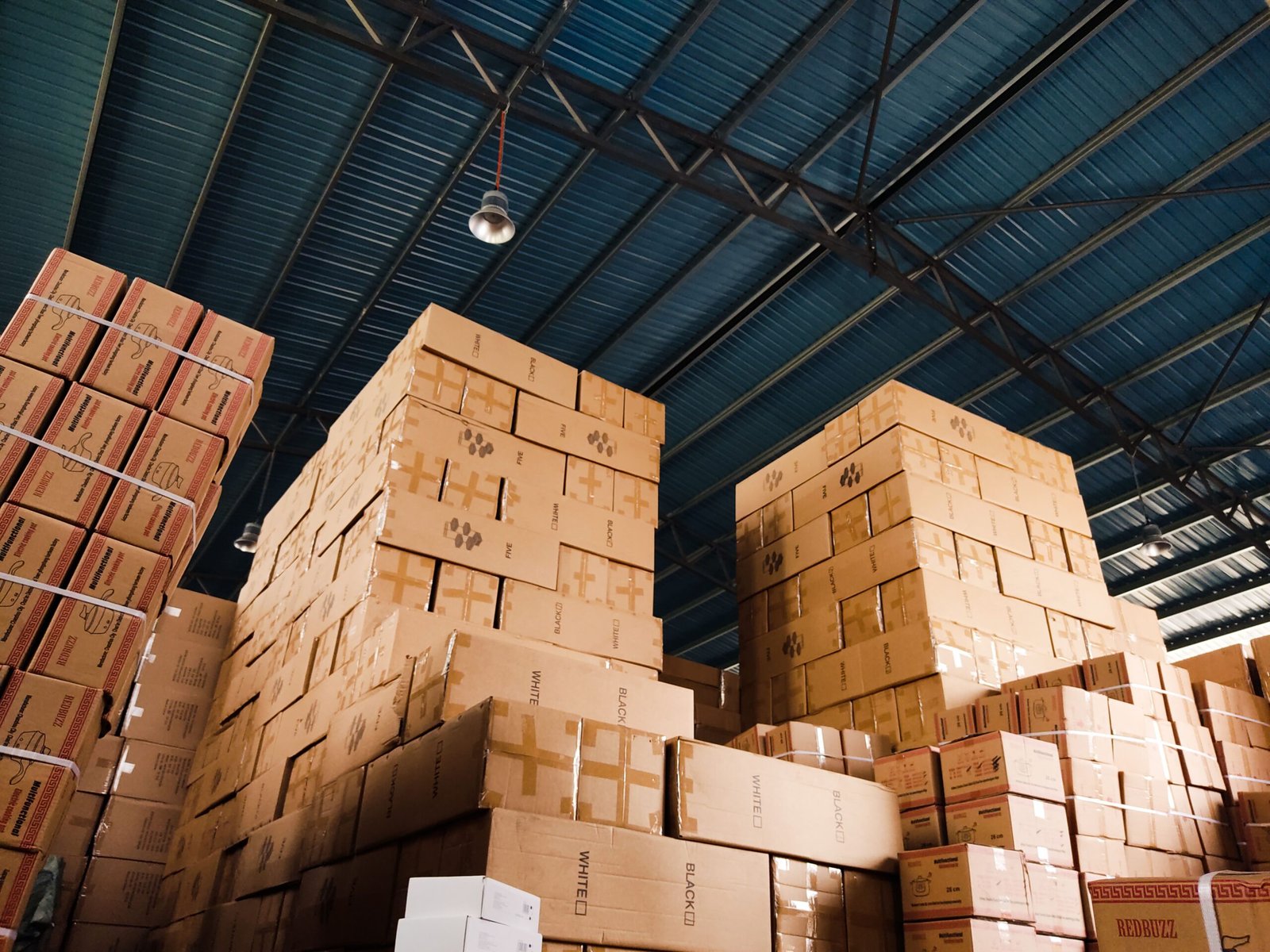
What are bonded stores? Learn how ship bonded stores work in the UK, which vessels may qualify, how bonded warehouses operate and why bonded stores remain essential to North Sea operations.
What Are Bonded Stores?
Bonded stores are duty-free goods held under customs control and supplied to eligible vessels under the appropriate customs procedures.
In the maritime sector, bonded stores typically include products such as tobacco, cigarettes, beer, wines and spirits that can be supplied without UK duty being paid when the vessel and voyage qualify.
For masters, pursers and vessel operators, bonded stores are a routine part of offshore operations. For those new to the industry, however, the terminology can be confusing.
This guide explains what bonded stores are, how they work and why they remain an important part of North Sea vessel supply.

Why Are They Called Bonded Stores?
The term comes from the bonded warehouse system.
A bonded warehouse is a facility approved by HMRC where goods can be stored under customs control before duty becomes payable.
Rather than entering the UK domestic market, certain goods can be supplied directly from a bonded warehouse to an eligible vessel under the correct procedures.
Because the goods remain under customs control until they are released, they are known as bonded goods or bonded stores.
What Types of Products Are Usually Supplied as Bonded Stores?
The most common bonded stores supplied to vessels include:
Cigarettes,
Rolling Tobacco
and Cigars


Whisky, Gin,
Vodka and Rum
Wine and Beer

These products are supplied under customs procedures and must be supported by the correct documentation.
The exact products available will depend on stock availability and the requirements of the vessel operator.
Who Uses Bonded Stores?
Bonded stores are commonly supplied to vessels operating throughout the North Sea. Examples include:
• Offshore Supply Vessels (PSVs)
• Offshore Support Vessels (OSVs)
• Survey Vessels
• Construction Support Vessels
• Accommodation Vessels
• Research Vessels
• Service Operation Vessels (SOVs)
• Other qualifying vessels
Eligibility depends on the operation and voyage involved rather than simply the vessel type.
Are Bonded Stores The Same As Duty-Free Stores?
In everyday conversation, the two terms are often used interchangeably.
Strictly speaking, bonded stores are goods held under bond within a customs-controlled environment before supply.
Duty-free stores refers to the fact that the goods are supplied without UK duty being paid when the relevant conditions are met.
In practice, most offshore operators use both terms to describe the same process.
What Is A Bonded Warehouse?
A bonded warehouse is an HMRC-approved facility where goods can be stored under customs control.
The warehouse operator is responsible for maintaining records and ensuring goods are handled in accordance with customs requirements.
For vessel operators, the warehouse forms the link between suppliers and vessels.
It allows stores to be supplied efficiently while remaining compliant with customs procedures.
Do All Vessels Qualify For Bonded Stores?
No.
One of the most common misconceptions is that any vessel operating offshore automatically qualifies for duty-free stores. That is not necessarily the case.
Eligibility depends on factors such as:
• The vessel’s operation
• Voyage details
• Customs status
• Destination
• Supporting documentation
This is why suppliers normally ask questions about the vessel and voyage before confirming that stores can be released.

What Is A Stores Authority?
A stores authority is one of the key documents used during the supply process.
It authorises the supply of bonded stores to the vessel and forms part of the customs audit trail.
Depending on the circumstances, it may be signed by:
• The master
• The vessel operator
• An authorised representative
• A vessel agent acting on behalf of the vessel
Without the correct documentation, bonded stores generally cannot be supplied.
How Are Bonded Stores Delivered?
The exact process varies depending on the vessel and port, but typically involves:
Confirming Eligibility
The vessel’s operational circumstances are reviewed.
Completing Documentation
Stores authorities and supporting information are provided.
Preparing The Stores
Products are selected and prepared for delivery.
Delivering To The Vessel
The goods are transported to the agreed berth prior to sailing.
Completing Customs Records
Documentation is retained to create the necessary compliance record.
Why Are Bonded Stores Important In The North Sea?
The North Sea supports a large and diverse offshore fleet.
Vessels involved in:
• Oil and gas
• Offshore wind
• Survey work
• Construction projects
• Marine research
• Energy transition projects
…often require stores support as part of normal operations.
Bonded stores remain an established part of that supply chain.
While technologies and industries continue to evolve, the practical requirement for compliant vessel supply has not changed.
A Common Misunderstanding
After more than fifty years supplying vessels from Aberdeen, one misconception appears regularly.
People often assume bonded stores are primarily about the products.
In reality, they are primarily about the process.
The products themselves are straightforward.
The important part is ensuring the vessel qualifies, the documentation is correct and the customs requirements have been satisfied before delivery takes place.
That is why experienced suppliers place so much emphasis on planning and paperwork.
Why Does Aberdeen Play Such An Important Role?
Aberdeen remains one of the principal offshore ports in the North Sea.
The port supports:
• Offshore oil and gas operations
• ScotWind developments
• Offshore wind maintenance activity
• Survey campaigns
• Construction projects
• Marine support services
As a result, bonded stores continue to form part of daily vessel operations throughout the region.
Bonded Stores Explained: Key Takeaways
Bonded stores are duty-free goods supplied under customs procedures to qualifying vessels.
They are held within bonded warehouses, released under controlled processes and supported by the appropriate documentation.
While the terminology can initially seem complicated, the fundamentals are simple:
• Goods are stored under bond.
• Vessel eligibility is confirmed.
• Documentation is completed.
• Stores are delivered.
• Customs records are maintained.
That process has supported North Sea vessel operations for decades and continues to do so today.
If you have questions about bonded stores, vessel eligibility or duty-free supply in Aberdeen, speak to our team and we’ll be happy to talk through the requirements for your operation.
Related Links:
The Complete Guide to Duty-Free Supply in the North Sea (2027 Edition)
How to Order Duty-Free Stores in Aberdeen: A Step-by-Step Guide
Can Offshore Wind Vessels Take Duty-Free Stores? What Operators Need to Know
Which North Sea Vessels Qualify for Duty-Free Stores? An Eligibility Checklist
Duty Free at Sea: A Plain-English Guide
Contact Us
Contact us today to learn how we can support your business